
Naira Dips Further to N1,670/$ as CBN and Banks Sell $9.9 Billion in Forex
 Follow on Google News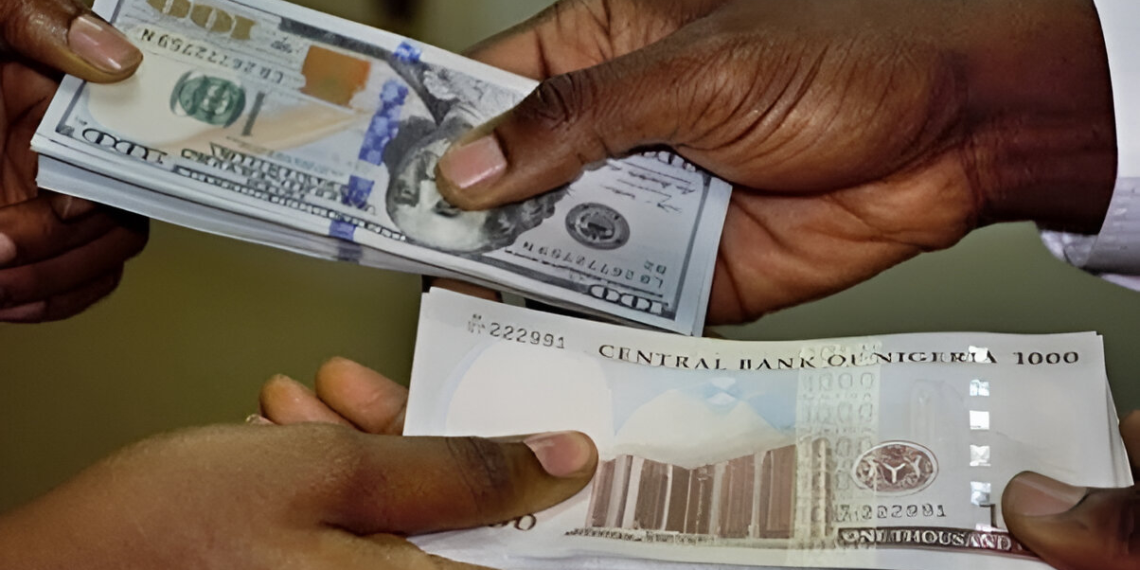
Foreign exchange turnover in Nigeria’s Autonomous Foreign Exchange Market soared to N15.74 trillion ($9.9 billion) in August 2024, according to a recent report from FMDQ. This reflects a substantial 33.88% month-on-month increase from July’s turnover of N13.23 trillion ($7.39 billion). The Central Bank of Nigeria (CBN) also revealed that foreign inflow during the same month rose to $585 million.
However, despite this growth, the value of the naira continued its decline. On Tuesday, the naira dropped to N1,658 against the US dollar at the official exchange market, down from N1,659 on Monday. In the parallel market, rates were even higher, reaching N1,670 to the dollar.
Forex Market Surge Amidst Naira Depreciation
The impressive increase in turnover came from heightened activity in Treasury bills (T-bills), Open Market Operation (OMO) bills, and Federal Government of Nigeria (FGN) bonds, although transactions in other bonds saw a slight decline of 18.43%. Commercial banks, the CBN, and international oil companies remain key sellers in the Nigerian Autonomous Foreign Exchange Market (NAFEM).
The FMDQ report noted a 31.97% rise in secondary market turnover, reaching N40.43 trillion, marking a significant year-on-year increase of 128.57%. Money market and foreign exchange transactions were responsible for nearly 70% of total secondary market activity.
Rising Exchange Rate Volatility
In August, the naira experienced fluctuations, trading within a range of N1,543.84 to N1,617.08. The average spot exchange rate increased by 1.68%, closing at N1,586.56, compared to N1,560.32 in July. The CBN attributed this volatility to ongoing economic pressures such as inflation and global market shifts.
CBN Forex Auction Boosts Dollar Supply
In a bid to ease pressure on the naira, the CBN auctioned $876.26 million to 26 commercial banks, aiming to meet rising demand and strengthen the local currency. This injection temporarily improved the exchange rate, pushing the naira to N1,596.52/$ from N1,601/$.
Businesses in key sectors like manufacturing, pharmaceuticals, and breweries benefited from this auction, securing dollars to import essential goods such as raw materials and equipment.
Governor Cardoso on Naira Stability
CBN Governor Olayemi Cardoso warned that without addressing fundamental economic issues, the naira’s value will continue to weaken. Speaking at the 297th Monetary Policy Committee meeting, Cardoso emphasized the need to diversify Nigeria’s economy and boost non-oil exports to support a stronger exchange rate.
“Achieving a stable exchange rate that we all desire is impossible if we continue operating a monolithic economy. We must diversify, increase oil production, and enhance import substitution,” Cardoso stated.
He added that Nigeria’s external reserves had risen to $39.07 billion by mid-September 2024, marking a 17.4% increase compared to the same period in 2023, providing eight months of import cover.
The Path Ahead for the Naira
As Nigeria grapples with foreign exchange challenges, the CBN is committed to ensuring a fair and efficient forex market. However, Governor Cardoso also hinted at stricter penalties for market manipulation, stressing the importance of responsible trading in the currency market.



Comments
0 comments