
Port Harcourt Refinery Begins Fuel Production After Years of Delay
 Follow on Google News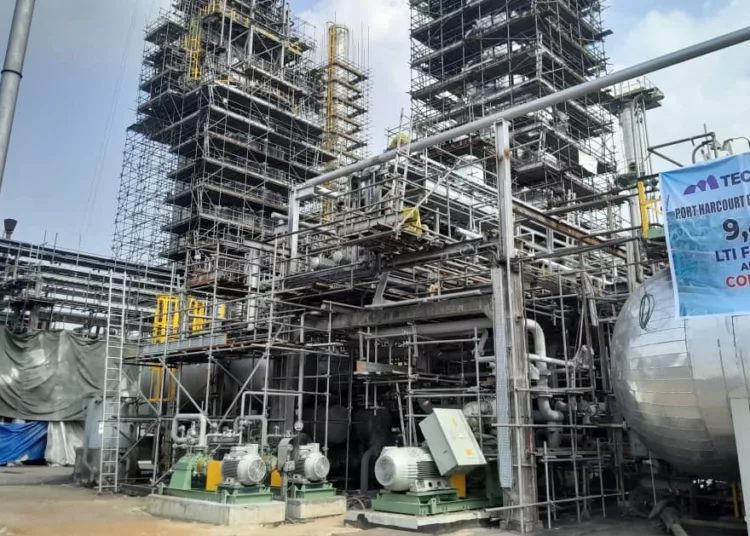
Port Harcourt, Nigeria — After years of setbacks and seven missed deadlines, the Port Harcourt refinery has officially commenced fuel production. The Nigerian National Petroleum Company Limited (NNPC) confirmed on Tuesday that the long-awaited project is now operational, with truck loading beginning immediately.
Speaking to reporters, NNPC spokesperson Olufemi Soneye announced, “Port Harcourt Refinery begins production. Truck loading starts today, Tuesday.” The NNPC further shared the development on its official X (formerly Twitter) account, stating, “NNPC Ltd Delivers Port Harcourt Refinery as plant begins truckout of products today, Tuesday, 26th November 2024, at 1:45 pm. Watch the commissioning and trucking out event LIVE.”
A Milestone for Nigeria’s Refinery Sector
The Port Harcourt refinery will begin operations with an initial production capacity of 60,000 barrels per day, releasing Premium Motor Spirit (PMS), diesel, and other petroleum products into the Nigerian market. This makes it the second refinery in Nigeria to produce petrol, following the Dangote Refinery, which commenced PMS production in September.
The refinery, located in the oil-rich Niger Delta, has been a vital part of Nigeria’s energy infrastructure since its establishment in 1965. However, years of neglect rendered it non-functional until the government secured a $1.5 billion loan in 2021 for its renovation and modernization.
ALSO READ: Niger Delta Group Urges Kyari to Fulfill Promise of Port Harcourt Refinery Operation by September
High Hopes for Lower Fuel Prices
Many Nigerians are optimistic that the refinery’s resumption of operations will reduce the country’s reliance on imported refined products, potentially lowering fuel prices. However, experts suggest the impact may depend on how efficiently the refinery sustains production and expands capacity over time.
Challenges in Reviving the Refinery
The NNPC acknowledged that reviving the Port Harcourt refinery was not without its challenges. In a statement, Soneye highlighted the risks and complexities involved in rehabilitating the facility, which is classified as a “brownfield project.”
“You may recall that mechanical completion of the PHRC revamp was successfully achieved several months ago, marking a significant milestone in the project. Following this, we began commissioning critical equipment and process units. However, as is common with brownfield projects of this scale and complexity, we encountered unforeseen risks and challenges,” Soneye explained.
Despite these obstacles, the NNPC managed to resolve the issues and resume commissioning activities, culminating in the refinery’s successful reopening.




Comments
0 comments