
WORLD NEWS
Crude Oil Price Climbs Above $100 Amid Rising Middle East Tension
Global oil markets react to supply fears as conflict near Strait of Hormuz disrupts energy shipments
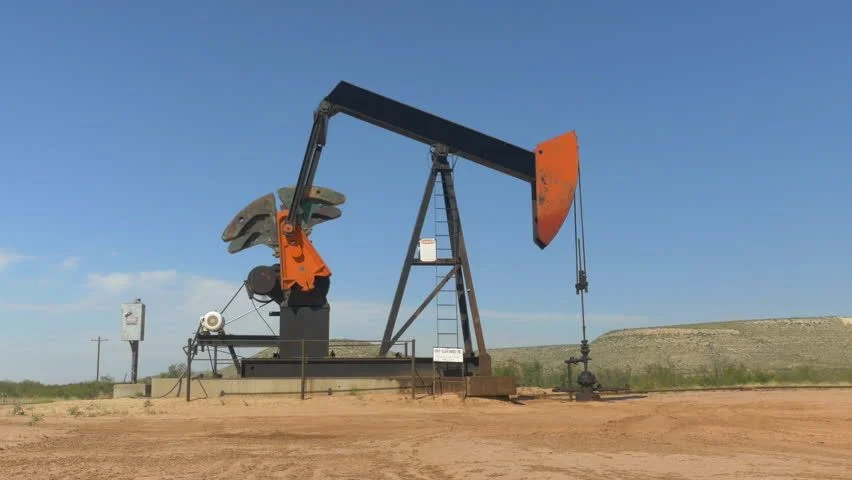
The crude oil price today moved sharply higher as global energy markets reacted to mounting geopolitical tensions in the Middle East, raising concerns about potential disruptions to oil supply. Traders and investors are closely monitoring developments in the region, particularly around the Strait of Hormuz, a critical route for global oil shipments.
Latest market data shows that Brent crude oil, the international benchmark, climbed to around $102 to $103 per barrel during Tuesday trading. Meanwhile, U.S. West Texas Intermediate (WTI) crude rose to roughly $95 to $96 per barrel. The increase represents a gain of more than two percent compared with the previous trading session as fears about supply shortages continue to grow.
The recent surge in the crude oil price today has largely been linked to escalating tensions involving Iran and disruptions affecting the Strait of Hormuz. The strategic waterway handles close to one-fifth of the world’s seaborne oil shipments, meaning any blockage or instability in the area can quickly influence global energy prices.
Energy analysts say that the market remains extremely sensitive to any development that may interrupt oil exports from the Gulf region. Several oil facilities and infrastructure sites in the Middle East have recently faced security threats, including drone attacks and military escalation, which have heightened fears that production and transportation could be affected in the coming weeks.
As uncertainty continues to dominate the market, global energy agencies are exploring possible measures to stabilize supply. The International Energy Agency has indicated that member countries may consider releasing additional strategic oil reserves if the crisis worsens, aiming to prevent further spikes in global energy costs.
The crude oil price today also reflects strong market volatility. Prices have experienced sharp swings in recent days as traders attempt to balance geopolitical risks with expectations about future supply and demand. Over the past month alone, crude oil prices have surged significantly, driven largely by ongoing geopolitical instability and concerns about the availability of oil shipments from key producing regions.
Market experts note that energy prices could remain unpredictable in the short term. If tensions in the Middle East escalate further or if shipping routes remain restricted, oil prices could continue to climb. However, any diplomatic breakthrough or reopening of disrupted shipping lanes could ease market pressure and bring prices down.
For now, the crude oil price today continues to reflect a market heavily influenced by geopolitical developments, leaving governments, investors, and consumers watching closely as the situation unfolds in the global energy landscape.