
Nigeria’s Export Growth Soars to N6.9tn Amid Trade Policy Reforms
 Follow on Google News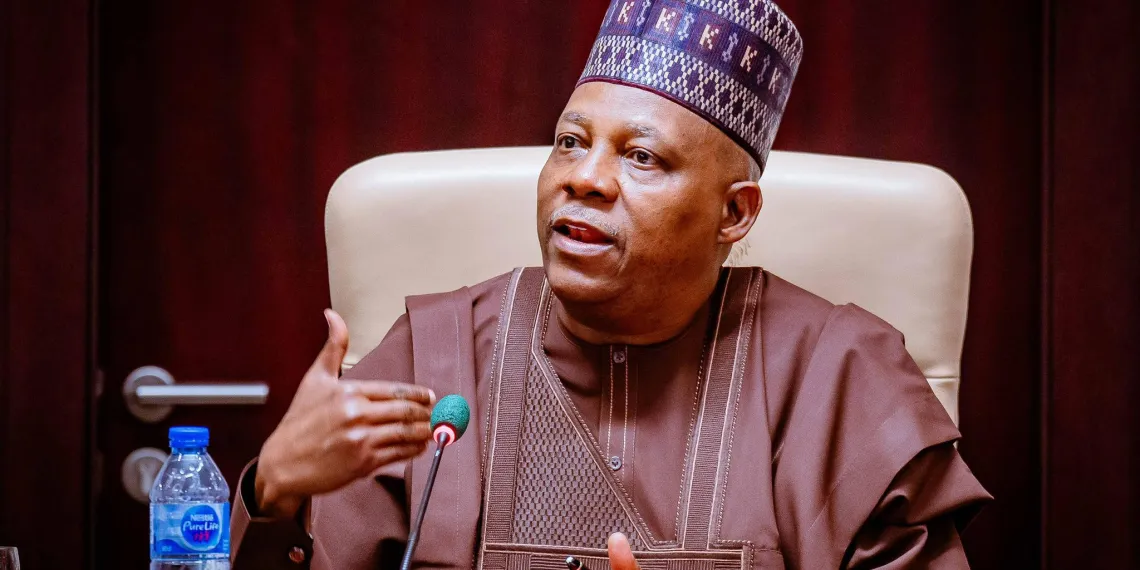
Nigeria’s export growth has surged to N6.9 trillion, driven by trade policies implemented by the current administration, according to the Federal Government. Speaking at the 3rd National Conference on Non-Oil Export in Abuja on Tuesday, Vice President Kashim Shettima highlighted the significant improvements in Nigeria’s trade balance, with exports now making up 60.89 percent of total trade.
The country’s foreign exchange earnings saw a remarkable increase in the second quarter of 2024, thanks to strong export performance. Nigeria’s trade surplus reached N6.95 trillion, marking a 1.31 percent rise from the previous quarter and a 201.76 percent increase compared to the same period in 2023.
In his address, Shettima stressed the importance of expanding non-oil exports as part of Nigeria’s broader economic strategy. He pointed out that reducing the nation’s dependency on oil and gas is crucial for long-term economic stability. “For Nigeria to improve its trade balance, the effective implementation of the country’s trade policy is essential,” he said.
ALSO READ: Nigerian Army Launches Recruitment for Tradesmen, Non-Tradesmen, and Women
The Vice President, represented by Deputy Chief of Staff Senator Ibrahim Hadejia, also warned against allowing substandard goods to flood Nigerian markets, emphasizing the need for strict regulations and quality control. He noted that Nigeria, alongside the broader African continent, must capitalize on global trade opportunities to secure sustainable growth.
With global trade expected to reach $32 trillion by the end of 2024, Shettima emphasized how sectors such as agriculture, e-commerce, and the creative industries hold immense potential for Nigeria’s growth. He also reiterated the government’s commitment to reforming regulations to support businesses, especially micro, small, and medium enterprises (MSMEs), and facilitate trade.
The Vice President’s speech also touched upon Nigeria’s participation in the African Continental Free Trade Agreement (AfCFTA), which opens access to a market of 1.4 billion people. He urged Nigerian entrepreneurs to overcome challenges and make the most of the opportunities presented by AfCFTA.
Nonye Ayeni, the Executive Director of the Nigerian Export Promotion Council (NEPC), also spoke at the event, announcing that non-oil exports had risen by 6.7 percent. She detailed NEPC’s efforts to reduce export costs, streamline logistics, and improve market access for Nigerian exporters. Through strategic partnerships with agencies like Customs and the Nigerian Ports Authority, Ayeni emphasized the importance of ensuring that goods reach international markets without delays.
The conference, themed “Promoting Non-Oil Export for Rapid National Economic Growth,” aimed to provide a roadmap for boosting Nigeria’s export levels and diversifying the nation’s revenue streams. It reflected the government’s ongoing commitment to fostering policies that stimulate economic growth through non-oil sectors and enhance Nigeria’s competitiveness on the global stage.



Comments
0 comments