EDUCATION NEWS
Stakeholders Urge School-Parent Partnerships to Combat Bullying in Schools
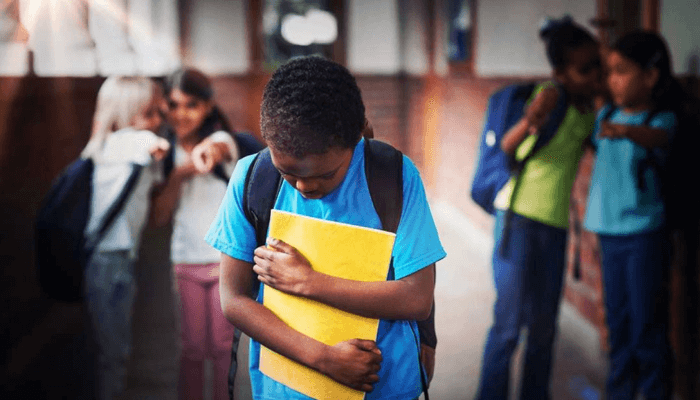
Collaboration between schools and parents has been identified as a crucial step in tackling the growing menace of bullying in schools, according to stakeholders in the education sector.
In interviews conducted by the News Agency of Nigeria on Monday, education experts, psychologists, and parents stressed the need for joint efforts to address the issue, citing a recent incident at the Federal Government College, Enugu, that sparked nationwide concern.
Dr. Olubukola Dosunmu, former President of the National Association of Proprietors of Private Schools, FCT Chapter, called for the implementation of stringent measures to discourage bullying. She highlighted the connection between home environments and school behavior, emphasizing the role of parents in shaping children’s attitudes.
“Bullying is not just a school problem; it’s a societal issue. Schools and Parent-Teacher Associations must collaborate to adopt strict policies that deter bullying. However, much of this begins at home. Children mimic what they see—whether it’s violence, verbal abuse, or neglect,” Dosunmu stated.
She also urged parents to focus on raising morally sound children, as school safeguarding policies can only be effective when supported by proper home training. Additionally, she called on religious and social institutions to promote teachings that instill tolerance and patience in children.
ALSO READ: Federal Government Suspends 13 Students from FGC Enugu Over Alleged Bullying Incident
The Impact of Bullying
Psychologist Mrs. Chidiebere Nwankwo warned about the severe consequences of bullying, noting its negative effects on victims’ emotional, physical, and academic well-being.
“Bullying can lead to emotional trauma, academic setbacks, and even physical harm for the victims. Schools that fail to address these issues spend considerable time handling related discipline cases, which affects the overall learning environment,” she explained.
Nwankwo recommended the adoption of comprehensive anti-bullying programs in schools to create a safer environment for learners while improving institutional culture.
Criticism of School Practices
Parents also voiced concerns about how some schools handle bullying incidents. Mr. Segun Aloba criticized institutions for shielding perpetrators to maintain student enrolment, a practice he said undermines efforts to address the issue effectively.
“By covering up bullying cases, schools allow these behaviors to continue unchecked. Transparency and accountability are key to stopping this cycle,” Aloba noted.
Government Intervention
Reacting to a viral video depicting bullying at one of the nation’s unity colleges, the Minister of Education, Dr. Tunji Alausa, strongly condemned the act, describing it as a violation of the dignity and rights of young learners.
“Bullying, in any form, is unacceptable. It undermines the fundamental rights of our children and must be eradicated,” Alausa stated.
In response to the incident, the ministry suspended the students involved and announced new measures to prevent future occurrences. These include enhancing school security through law enforcement collaborations and reviewing safety protocols in federal schools.