
UK Inflation Steady at 2.2% in August: What This Means for the Bank of England’s Next Move
 Follow on Google News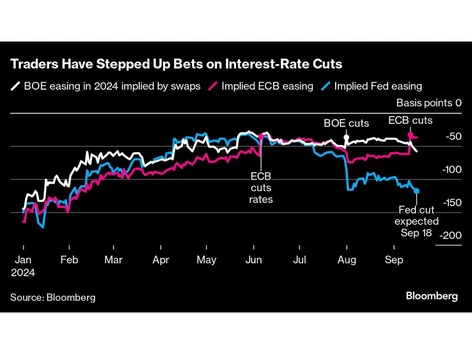
UK inflation remained unchanged at 2.2% in August, according to data released by the Office for National Statistics (ONS) on Wednesday. This steady figure keeps the door open for potential interest rate cuts by the Bank of England later this year.
The inflation rate, consistent with July’s figure, matched the expectations of economists polled by Reuters. These numbers come just ahead of the Bank of England’s Monetary Policy Committee (MPC) decision on Thursday, following August’s quarter-point interest rate cut to 5%, the first reduction in over four years.
One area of concern is services inflation, a key indicator of domestic price pressure, which rose to 5.6% in August—slightly higher than the 5.5% economists had predicted and up from 5.2% in July.
Economists argue that the sustained pressure in the services sector will likely keep the MPC from making any immediate changes, although further rate cuts are anticipated later in the year.
“A pause in interest rate cuts was already expected for tomorrow, and today’s data solidifies that view,” said Ruth Gregory from Capital Economics. “We still predict the next quarter-point rate cut will occur in November.”
Following the inflation report, traders reduced their bets on a rate cut from the MPC on Thursday, with the likelihood dropping from 35% to 25%. Meanwhile, the pound saw a slight increase of 0.13%, bringing it to $1.3178.
Although inflation has hovered just above the Bank of England’s 2% target for two months, the BoE remains cautious about declaring victory over rising prices too soon. A notable rise in airfares helped sustain services inflation, while weaker fuel prices and lower costs in restaurants and hotels provided some relief.
Core inflation, which excludes the volatile categories of food and energy, rose to 3.6% in August, up from 3.3% in July.
Darren Jones, Chief Secretary to the Treasury, acknowledged the broader impact of inflation, saying, “Years of high inflation have taken their toll, and while it’s more manageable now, millions of families in Britain are still struggling with prices significantly higher than four years ago.”




Comments
0 comments