
Urgent Call for Policy to Combat Energy Poverty in Nigeria
 Follow on Google News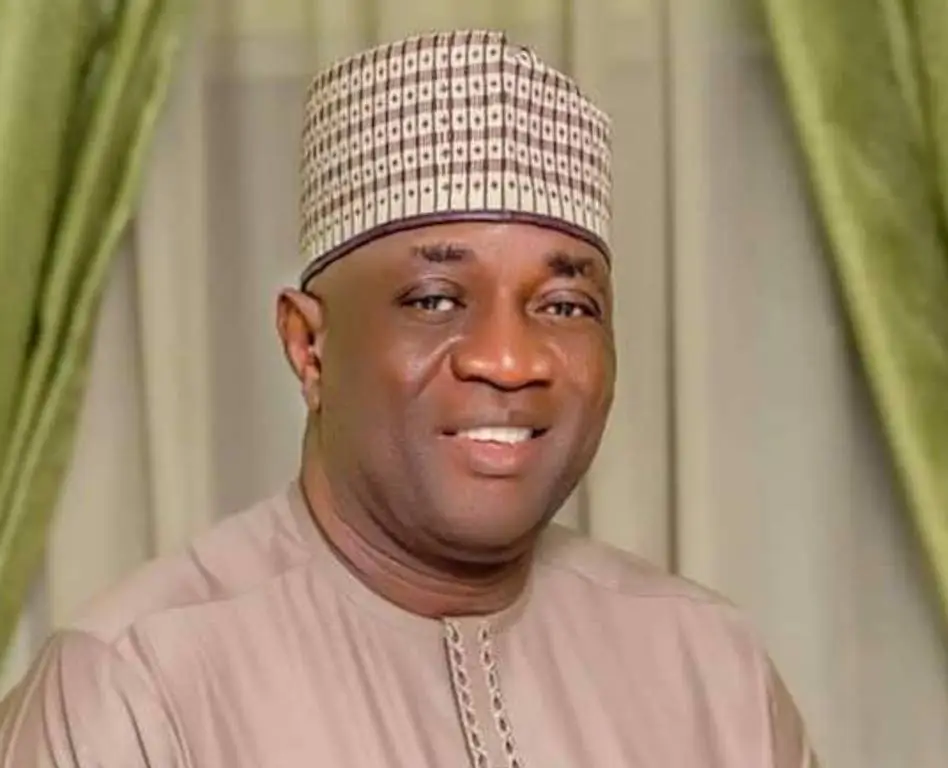
Senator Yunus Abiodun, representing Oyo Central, has issued a crucial warning regarding the health risks stemming from energy poverty in Nigeria. He emphasized the need for a robust policy framework to tackle these pressing challenges, particularly in rural communities, which he believes are being stifled in their development potential due to inadequate energy access.
Speaking at the University of Uyo in Akwa Ibom State during the 2nd Prof. Nyaudo Ndaeyo Public Lecture, titled “Addressing Energy Poverty in Nigeria: Insights and Implementations for Rural Areas,” Abiodun urged immediate action. He asserted that without proper frameworks in place, energy poverty would continue to plague rural areas, locking generations into a cycle of hardship and stunted growth.
As chairman of the Senate Committee on Environment, the senator highlighted the grim reality that many in these communities resort to using biomass fuels, leading to severe consequences. This reliance not only contributes to deforestation but also exposes households to harmful indoor air pollution. The resulting health risks include pneumonia, stroke, heart disease, chronic obstructive pulmonary disease, and lung cancer.
ALSO READ: Sokoto State Boosts Security Efforts with 10 New Patrol Vehicles for the Army
Abiodun remarked, “If appropriate policy frameworks are not put in place, the challenges of energy poverty will continue to ravage rural communities and lock down their development potentials across generations.” He further explained that the use of solid fuels, such as wood, crop residues, dung, charcoal, and coal, creates smoke-filled environments detrimental to health.
The senator stressed that transitioning from solid fuels to modern energy sources is essential. He pointed out that Nigeria’s persistent energy poverty largely stems from an overreliance on non-renewable energy and the underutilization of its abundant renewable resources.
“To tackle this issue effectively, adequate steps must be taken to provide the average Nigerian with access to modern energy sources,” Abiodun concluded, advocating for a sustainable approach to energy that prioritizes both health and environmental well-being.



Comments
0 comments