NEWS
Nigeria Blackouts Worsen as Hydro Power Generation Falls Short
Discos blame low hydroelectric output for worsening nationwide outages
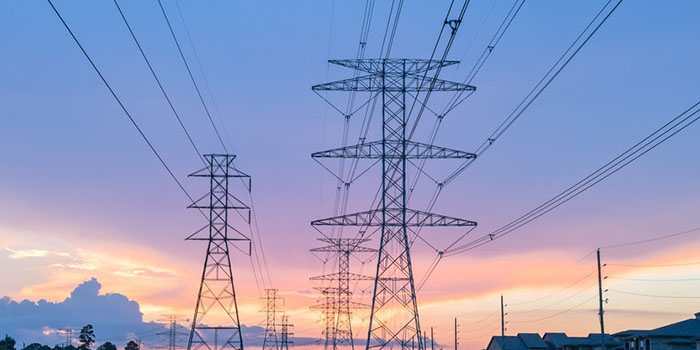
Nigeria is facing worsening blackouts as electricity distribution companies say hydroelectric power plants are not generating enough electricity to support the national grid. The situation has contributed to continued power outages across many parts of the country.
The Association of Nigerian Electricity Distributors explained that Nigeria’s major hydroelectric plants are currently producing less electricity than expected, forcing the country to rely more on gas-fired power plants. This development has reduced the total electricity available for distribution to homes and businesses.
According to electricity distributors, Nigeria has only three major hydroelectric power plants, and the electricity generated from them is not sufficient to meet national demand. The plants contribute less than one-third of the country’s total electricity generation, making gas power plants the primary source of electricity in Nigeria.
The shortage in hydroelectric power generation has been linked to ongoing power outages being experienced in many Nigerian communities. Distribution companies say increasing electricity generation remains one of the major solutions to reducing blackouts across the country.
Nigeria’s power sector has long struggled with inadequate generation, transmission challenges, and distribution problems, resulting in frequent blackouts and load shedding. The country continues to generate far less electricity than what is required for its population and industries, forcing many households and businesses to rely on generators for power supply.
Experts say improving electricity generation capacity, investing in infrastructure, and diversifying energy sources will be necessary to address the country’s persistent electricity crisis and reduce the frequency of blackouts nationwide.