HEALTH AND SPIRITUAL
Nigeria Requires $19 Million to Combat Neglected Tropical Diseases, Says FG
Nigeria needs approximately $19 million to effectively address neglected tropical diseases (NTDs) across the country, according to Fatai Oyediran, the National Coordinator for NTDs at the Federal Ministry of Health. Speaking at a high-level advocacy meeting in Abuja, Oyediran emphasized that strategic funding and political commitment are crucial to controlling and eventually eradicating these diseases.
In 2023, Nigeria developed a comprehensive master plan for combating NTDs, running through 2027, with an estimated budget of $19 million needed to implement it successfully. Oyediran stressed the importance of collaboration at all levels of government, stating, “With the right investments, we can ensure NTDs become a thing of the past.”
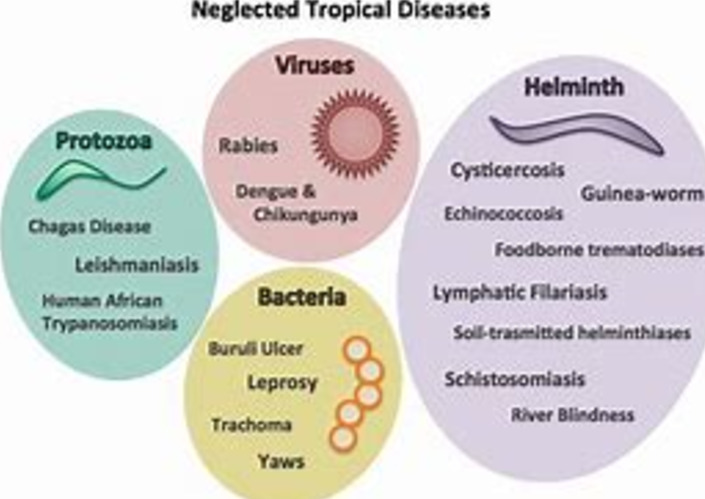
NTDs are caused by various pathogens such as viruses, bacteria, and parasites. The World Health Organization (WHO) reports that over one billion people globally are affected by these diseases, which are most common in impoverished tropical areas. Nigeria contributes significantly to this global burden, accounting for about 50% of Africa’s NTD cases and 25% of the world’s total.
ALSO READ: Nigeria Loses $1.1 Billion Annually to Malaria, Health Minister Warns
Challenges in tackling NTDs in Nigeria include insufficient funding and a lack of budget allocation at the state level. Oyediran highlighted the importance of dedicating a budget line for NTDs in state and federal budgets to ensure sustainable progress. Many states, he noted, have yet to make provisions for NTDs in their financial planning.
Experts such as Stuart Halford, Director of Advocacy and Resource Mobilization at United to Combat NTDs, underlined the need for adequate resources to fight these diseases. Halford pointed out that while other health priorities exist, eradicating NTDs is essential for economic and productivity gains, particularly in rural communities.
States like Abia and Kwara have made progress in tackling NTDs. Abia State, for example, has successfully broken the transmission of onchocerciasis and lymphatic filariasis, thanks to mass drug administration campaigns. Kwara State has eradicated lymphatic filariasis and onchocerciasis, showing that with focused efforts, NTDs can be controlled.