
Tinubu Promises Action to Lower Food Prices and Ease Living Costs
 Follow on Google News
President Bola Tinubu has assured Nigerians that his administration is taking concrete steps to reduce food prices and address the rising cost of living. In a national broadcast on Tuesday, marking Nigeria’s Independence Day, Tinubu emphasized that his government is working to alleviate the burden of skyrocketing food costs, which have become a pressing issue for many across the nation.
“The primary concern for Nigerians today is the high cost of living, particularly food prices. This is a global issue, but we are focused on bringing relief at home,” the president stated.
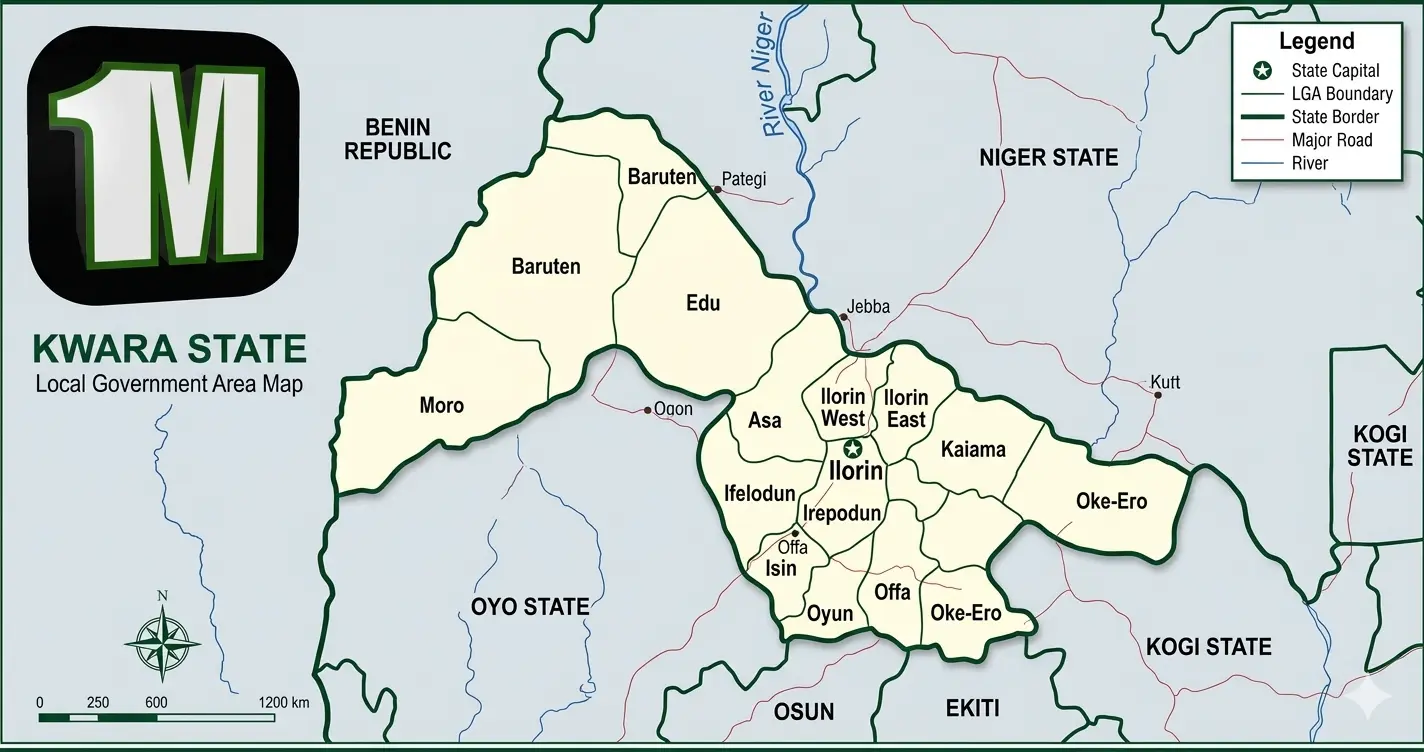
He commended state governors in Kebbi, Niger, Jigawa, Kwara, Nasarawa, and the Southwest region for supporting the government’s agricultural production programs. Tinubu encouraged other states to invest in mechanized farming, noting that the federal government is providing vital support such as fertilizers and modern farming equipment to boost local food production.
ALSO READ: Nigeria at 64: Atiku Warns of Looming One-Party Rule
In a bid to strengthen the agricultural sector, Tinubu revealed that the Federal Executive Council recently approved the establishment of a local assembly plant for 2,000 John Deere tractors, as well as combine harvesters, ploughs, and other farming tools. The plant, which has a projected completion time of six months, is expected to play a crucial role in enhancing food production nationwide.
Addressing Rising Costs
The cost of staple foods like rice, beans, bread, and poultry has surged in recent months, exacerbated by the removal of fuel subsidies and changes in currency policies under Tinubu’s administration. These economic adjustments, while necessary, have contributed to inflation, prompting nationwide protests and calls from labor unions for wage increases.
In response to these challenges, the federal government has introduced various measures over the past 16 months, including wage increases and subsidized food programs aimed at cushioning the impact of inflation. For instance, Agriculture Minister Abubakar Kyari recently launched a rice subsidy initiative, offering Nigerians the chance to purchase rice at ₦40,000 per 50kg bag, provided they have registered National Identification Numbers (NIN).
The government’s efforts also include the injection of 30,000 metric tonnes of rice into the market, a move expected to stabilize prices and ease pressure on household budgets.
Looking Forward
Despite these initiatives, many Nigerians continue to feel the strain of high living costs. However, Tinubu assured the public that the government’s strategies to boost food security and lower prices will soon begin to deliver tangible benefits.
“I urge Nigerians to remain patient and steadfast as we work towards improving food availability and affordability,” the president said, reiterating his commitment to addressing the nation’s economic challenges.



Comments
0 comments