
El-Rufai Denies Corruption Allegations, Offers to Swear on Quran
 Follow on Google News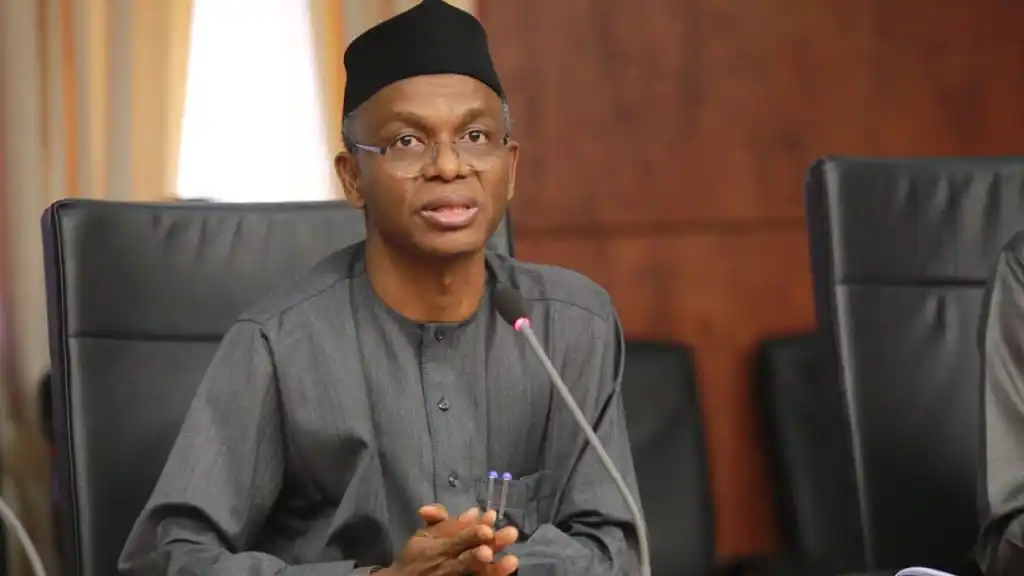
Nasir El-Rufai, former Governor of Kaduna State, has firmly rejected corruption allegations, declaring that his entry into politics was driven by a genuine desire to serve the people, not to accumulate wealth or embezzle public funds. In a candid statement made during a Hausa radio program on Freedom Radio, Kaduna, El-Rufai reiterated his financial contentment before assuming office and expressed readiness to swear on the Quran to prove his innocence.
El-Rufai’s administration had been accused by the Kaduna State House of Assembly of misappropriating over N423 billion during his eight-year tenure. However, both the former governor and his associates have dismissed the allegations as politically motivated.
“I did not join politics to steal or enrich myself. I was already satisfied before becoming governor,” El-Rufai stated. He further challenged other former governors and current leaders to swear on the Quran to clear their names, adding, “I have no fear because I know I never took public money.”
ALSO READ: FG Increases Retirees’ Pensions by N32,000 Amid Minimum Wage Adjustments
El-Rufai expressed frustration with the accusations, pointing out the lack of concrete evidence linking him or his administration to any financial misappropriation. He also claimed his allies were being targeted by the Independent Corrupt Practices Commission (ICPC) and the Economic and Financial Crimes Commission (EFCC) as part of a smear campaign.
“I have left everything to God’s judgment. For now, I’m focused on my personal activities like reading and writing, and I’ve instructed my lawyers to take legal action against those tarnishing my name,” he added.
El-Rufai emphasized that service to the people does not require holding public office, stating that he continues to work with like-minded individuals dedicated to public service. Looking ahead to 2027, he expressed his intention to return to politics after completing his studies, affirming, “There is no retirement in politics. God willing, we will return and continue serving the people.”



Comments
0 comments