
NEWS
Floods Displace Over 122,000 in Malaysia Amid Relentless Rains
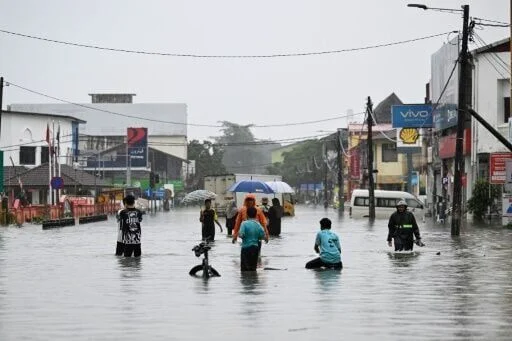
More than 122,000 people have been forced to flee their homes as devastating floods, fueled by relentless rains, continue to wreak havoc across Malaysia’s northern states. This crisis, which has already surpassed the 2014 flooding disaster in scale, has left thousands stranded and in urgent need of assistance.
According to the National Disaster Management Agency, Kelantan has been hit hardest, accounting for 63% of the 122,631 evacuees. Terengganu follows with approximately 35,000 displaced residents, while the rest are spread across seven other states. Heavy rainfall, beginning earlier this week, has submerged streets, homes, and entire neighborhoods, particularly in areas like Pasir Puteh in Kelantan.
Residents Struggle Amid Rising Waters
Residents have reported dire conditions, with waist-deep waters isolating communities and threatening homes. Zamrah Majid, a 59-year-old school janitor from Pasir Puteh, shared her ordeal, saying, “The water is just two inches away from entering my home. Luckily, I moved my two cars to higher ground before the floodwaters rose.”
ALSO READ: Nigerians Question Safety of CNG Vehicles as Malaysia Sets 2025 Ban
Others, like Muhammad Zulkarnain, 27, described being completely cut off. “There’s no way in or out of my neighborhood for any vehicles,” he told AFP, highlighting the growing sense of isolation among flood-hit communities.
While emergency services have deployed personnel, rescue boats, and helicopters, many evacuees remain without aid, relying on food supplies from NGOs. The widespread nature of the disaster has overwhelmed rescue operations, making it challenging to reach everyone in need.
Monsoon Season Worsens Crisis
The Malaysian Meteorological Department has warned that the heavy rains are expected to persist through Sunday, intensifying the crisis in Kelantan, Terengganu, and Perak. The floods, a recurring challenge during Malaysia’s northeast monsoon season from November to March, have left many bracing for further hardships.
Deputy Prime Minister Ahmad Hamidi, who leads the National Disaster Management Committee, assured the public that thousands of personnel are actively working to assist flood-affected areas. However, the scale of the disaster has underscored the urgent need for coordinated efforts to mitigate the impact on vulnerable communities.