
NEWS
Naira May Fall to N1,993 per Dollar by 2028, Posing Major Challenge to Nigeria’s Health Sector
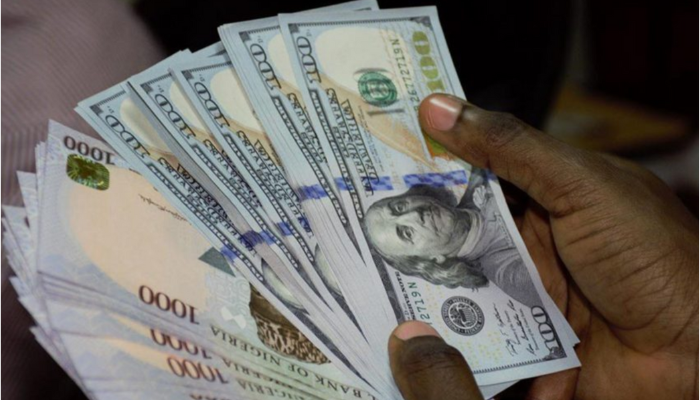
The naira is projected to weaken significantly, potentially reaching N1,993 against the U.S. dollar by 2028, a report from BMI, a Fitch Solutions subsidiary, revealed on November 12, 2024. This forecast signals a substantial challenge for Nigeria’s healthcare system, particularly the pharmaceutical and medical device sectors, which rely heavily on imported goods.
In the analysis titled “Weak Naira and Structural Challenges to Constrain Nigeria’s Medical Devices Market Growth,” BMI warns that despite some anticipated economic recovery, Nigeria’s medical devices sector faces mounting challenges. As the country imports over 95% of its medical equipment, any significant currency devaluation directly impacts costs and access to essential health technologies.
The report highlights how a devalued naira inflates the costs of medical device imports, effectively reducing both the government and consumers’ purchasing power. “Similar to other markets in sub-Saharan Africa, Nigeria heavily relies on medical device imports, with reliance exceeding 95 per cent,” the report notes. Consequently, weakened currency values translate to increased import costs, further straining an underfunded public health sector and affecting access to crucial medical equipment like diagnostic tools, orthopedic devices, and dental products.
ALSO READ: Naira Dips Further to N1,670/$ as CBN and Banks Sell $9.9 Billion in Forex
Currency Fluctuations and Economic Policies
The naira has already shown signs of decline. On Monday, November 11, 2024, it traded at N1,681.42 per dollar, down 0.15% from Friday’s rate. Foreign exchange (FX) turnover in the official market also fell by 66%, from $1.4 billion on Friday to $471.5 million on Monday, reflecting low market activity and increased volatility.
To mitigate these challenges, the administration under President Bola Tinubu issued an executive order in June 2024 to reduce the financial strain on healthcare providers. This order waived tariffs, excise duties, and VAT on specific equipment and raw materials, aiming to lower production costs. However, BMI’s report indicates that such policies may only provide temporary relief, as underlying economic issues persist.
Prospects for Local Manufacturing and Market Growth
While a weaker naira could theoretically boost the competitiveness of locally manufactured medical devices, BMI identifies significant barriers to achieving this potential. Key challenges include a lack of skilled labor, limited access to advanced manufacturing technology, and inadequate infrastructure. Although government incentives have been introduced, these structural issues continue to limit the development of local production capabilities.
Despite these hurdles, Nigeria’s medical devices market shows some growth potential, with an estimated market value projected to reach N171.1 billion (approximately £344.7 million) by 2028. This growth is expected to be driven by Nigeria’s large and youthful population, an increased focus on universal health coverage, and the rising prevalence of both chronic and infectious diseases.
Nigeria’s broader economy is also expected to show gradual recovery, with a projected growth rate of 3.0% in 2024, up from 2.9% in 2023. However, the report cautions that high inflation, restrictive monetary policies, and limited foreign direct investment remain challenges that could hinder consistent growth within the medical devices market and the healthcare sector at large.