
NEWS
Panic Grows Across 11 States as Water Release from Lagdo Dam Begins
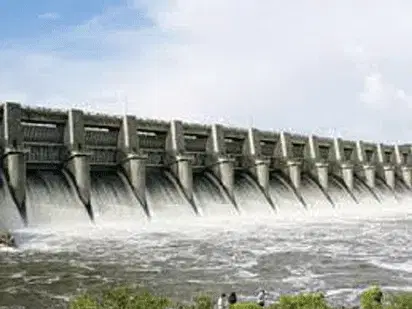
Following devastating floods in Maiduguri caused by the collapse of the Alau Dam, a wave of panic is spreading across 11 states in Nigeria as concerns mount over the release of excess water from the Lagdo Dam in Cameroon.
On September 17, 2024, the Nigeria Hydrological Services Agency (NIHSA) issued a warning about the potential for severe flooding in states along the Benue River, including Adamawa, Taraba, Benue, Nasarawa, Kogi, Edo, Delta, Anambra, Bayelsa, Cross River, and Rivers. Residents and officials in these regions have been urged to remain alert and take necessary precautions to mitigate the impacts of rising water levels.
While the recent flooding in Maiduguri was not attributed to the Lagdo Dam, the fear of further devastation is palpable. Past experiences, particularly the catastrophic floods of 2022, have left communities on edge. Reports indicate that water levels in both the Niger and Benue Rivers are already on the rise, even as Cameroonian authorities manage what they describe as a gradual release of water from the dam.
ALSO READ: Saraki Slams Illegitimate LG Leaders in Kwara State: A Call for True Representation
In Delta State, local governments are responding proactively; for instance, communities like Irri in the Isoko South Local Government Area have started relocating residents from vulnerable areas to safer locations amid increasing water levels.
Umar Muhammed, Director-General of NIHSA, emphasized that water discharge rates are anticipated to increase to 1000m³/s over the next week due to inflows from the upstream Garoua River, a critical tributary of the Benue River. This forecast has intensified fears, prompting state governments to act swiftly, including relocating residents and establishing camps for internally displaced persons (IDPs).
Ezekiel Manzo, spokesperson for the National Emergency Management Agency (NEMA), confirmed that the release from Lagdo Dam is indeed raising water levels in the Benue River. He noted that this action is crucial to prevent catastrophic damage to the dam, warning that a potential breach could lead to destruction on a scale similar to that seen with the Alau Dam.