
NEWS
Reps Promise to Tackle Delays in National Project Execution
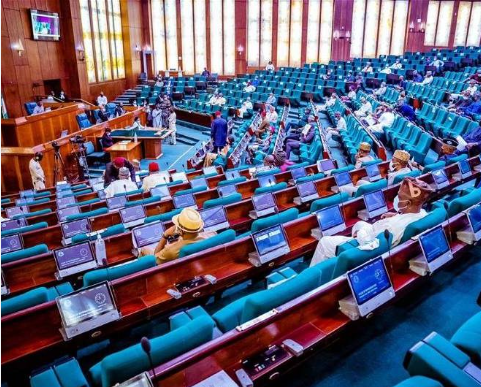
House of Representatives has vowed to end the persistent delays in the execution of public projects across Nigeria. This promise was made during a public hearing on a bill aimed at amending the Public Procurement Act of 2004.
Unyime Idem, Chairman of the House Committee on Public Procurement, revealed that over 90% of capital projects in Nigeria suffer from delays, often resulting in cost variations due to poor project management, inflation, and devaluation of the currency. He emphasized that these delays, combined with rising costs, create a significant challenge for the country’s development.
“The culture of project delays has existed even before inflation and devaluation became major concerns. It’s an issue that must be addressed from a legislative standpoint,” Idem stated. He further explained that contractors frequently delay projects with minimal accountability, blaming the issue on incompetence, lack of government prioritization, and corruption.
Idem also compared Nigeria’s project timelines with those of other nations, highlighting Egypt’s more efficient approach. Contractors there manage to complete projects in half the time, whereas in Nigeria, projects often take five to six years and face a high risk of abandonment.
ALSO READ: House of Representatives Passes Bill to Overhaul Finance Ministry Act
This situation, according to Idem, severely impacts governance and delays the delivery of public services to Nigerians. He noted that as lawmakers, they are often held accountable by constituents when projects are delayed or abandoned.
However, the current and former Directors-General of the Bureau of Public Procurement, Adebowale Adedokun and Emeka Ezeh, expressed opposition to the proposed amendments. They argued that sanctions for delays are already covered in the existing contract terms and that adding further provisions to the Public Procurement Act would be redundant.
Adedokun emphasized that the Public Procurement Act of 2007 already provides a solid legal framework for procurement processes, which includes competition standards and transparency. He argued that the proposed amendments could undermine the original purpose of the Act.
Ezeh, on the other hand, criticized the amendments for focusing only on the symptom of delays rather than addressing the root causes. He called for a more comprehensive approach that considers the entire project delivery process, from design and needs assessment to contractor selection and fiscal policies.