
NEWS
SpaceX’s Crew-9 Mission Rescues Stranded Astronauts from ISS
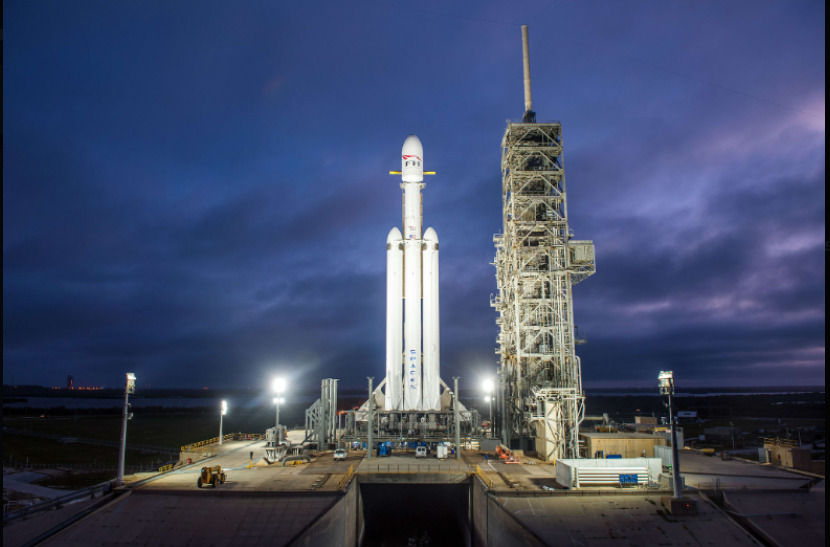
The SpaceX Crew-9 mission achieved a remarkable feat on Sunday, February 2025, by successfully docking with the International Space Station (ISS) to rescue two astronauts stranded in space. The Falcon 9 rocket launched from Cape Canaveral, Florida, at 1:17 PM (1717 GMT) on Saturday, with the Dragon spacecraft making contact with the ISS at 5:30 PM the following day.
After docking, NASA astronaut Nick Hague and Russian cosmonaut Alexander Gorbunov joined their fellow crew members aboard the ISS around 7 PM. They received a warm welcome from station commander Suni Williams, who expressed her joy by saying, “Welcome to our new compadres from Dragon Freedom,” celebrating Hague’s return to the ISS.
Hague and Gorbunov are scheduled to return to Earth later in February, bringing along Williams and astronaut Butch Wilmore. Their stay on the ISS had been unexpectedly extended due to issues with the Boeing-designed Starliner spacecraft. This spacecraft was on its first crewed mission, having delivered Wilmore and Williams to the ISS in June 2024. Initially meant to last only eight days, their mission was prolonged after a propulsion system malfunction forced NASA to revise their plans.
ALSO READ: Nigerians Outraged by Disappointing Hamster Kombat Payouts
Following weeks of reliability testing on the Starliner, NASA opted to return the spacecraft to Earth without its crew, instead using SpaceX’s Crew-9 mission for the rescue. SpaceX has been consistently conducting crew rotation missions to the ISS every six months.
Originally, the Crew-9 launch was slated for mid-August but faced postponements, first to allow NASA experts more time to evaluate the Starliner’s reliability and then further delayed by Hurricane Helene, which impacted Florida.
Hague and Gorbunov will spend around five months on the ISS, while Wilmore and Williams will complete an extended stay of eight months. During their mission, the Crew-9 team is expected to conduct approximately 200 scientific experiments, contributing significantly to ongoing research in space.