NEWS
Bureau Seeks Unified Effort to Bolster Nigeria’s Anti-Corruption Fight
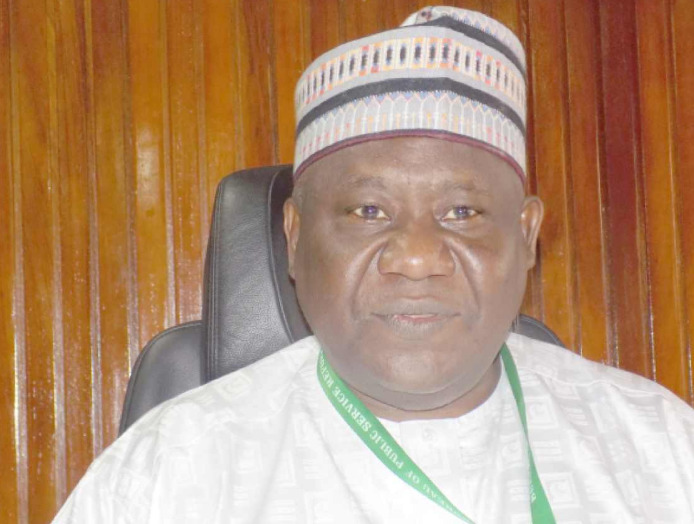
Bureau of Public Service Reforms has called on state governments and the private sector to intensify their roles in advancing Nigeria’s fight against corruption. This appeal came during a validation workshop on the Implementation of the National Anti-Corruption Strategy (NACS), held on Monday in Abuja.
Speaking at the event, the Bureau’s Director-General, Mr. Dasuki Arabi, emphasized the need for a united approach involving all sectors to effectively implement the NACS. He highlighted the contributions of the Federal Government, Anti-Corruption Agencies, Civil Society Organizations, and international partners, noting their critical support in the ongoing anti-corruption efforts.
“The success of the National Anti-Corruption Strategy hinges on the collective involvement of all sectors, including state governments and the private sector. We must work together to strengthen institutions, enhance transparency, and foster accountability across all levels of governance,” Arabi stated.
According to Aliyu Umar, Head of Strategic Communications at the Bureau, the workshop served as an opportunity to evaluate the progress of the NACS and explore ways to amplify its impact on governance and public service delivery.
ALSO READ: FIRS Launches Recruitment Amid Revenue Surge: Adedeji Leads Nigerias Tax Reform
Arabi revealed that a recent research survey, conducted in partnership with a private consultant, assessed the effectiveness of the strategy and offered actionable recommendations for improvement. He also reaffirmed the Bureau’s dedication to capacity-building at federal and state levels, noting that successful federal reforms, particularly in public financial management and ethics policy, are being replicated in states to boost governance.
The Director-General also stressed the pivotal role of the private sector in ensuring the success of anti-corruption initiatives. He urged businesses to collaborate more closely with public institutions, fostering a culture of integrity and transparency across the board.
Participants at the workshop were encouraged to actively engage, share insights, and contribute to strengthening Nigeria’s anti-corruption framework. Arabi concluded by emphasizing that the commitment of all stakeholders remains essential for tackling corruption, improving governance, and driving sustainable economic growth.