NEWS
Obasanjo Praises Obaseki’s Leadership, Advocates Human Capital Development
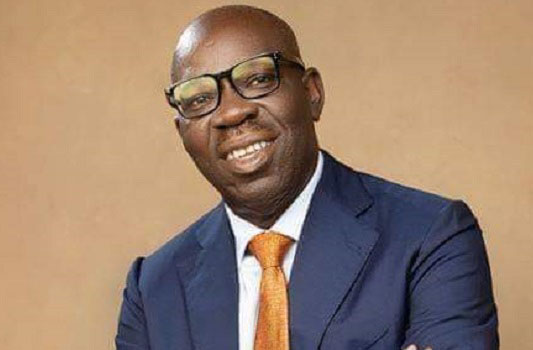
Former Nigerian President Olusegun Obasanjo has commended Edo State Governor Godwin Obaseki, describing him as a leader whose work significantly impacts the lives of the people. Speaking during the inauguration of the newly rebuilt and expanded 250-bed Stella Obasanjo Hospital in Benin City, Obasanjo urged political leaders to prioritize human capital development, citing Obaseki’s reforms as a model of visionary leadership.
Obaseki’s Commitment to Quality Healthcare Recognized
During the event, Obasanjo highlighted the transformation Edo State has undergone under Obaseki’s leadership, applauding the governor’s dedication to multi-sectoral reforms. “Your efforts have not only built physical infrastructure but restored hope and created an environment for accessible, quality healthcare,” Obasanjo remarked. He noted that the renovation of the Stella Obasanjo Hospital serves as a legacy honoring his late wife, with the facility now positioned as a hub for affordable healthcare services within Edo State.
Patience Jonathan, wife of former President Goodluck Jonathan, also praised Obaseki’s dedication to Edo’s healthcare sector. She expressed her gratitude for the governor’s work, saying, “Governor Obaseki has given life back to this hospital, ensuring the people of Edo have access to essential health services.”
Setting Standards for Healthcare in Nigeria
Obasanjo emphasized that the upgraded Stella Obasanjo Hospital is an emblem of what effective governance can achieve, bridging primary and specialized healthcare gaps for Edo residents. “This hospital stands as a reference center, ensuring quality care for all, regardless of background,” he stated, urging other political leaders to emulate such impactful initiatives in their own roles across Nigeria.
ALSO READ: Obaseki: Demolition of Central Hospital Paves Way for Advanced Healthcare Facility, Not MOWAA
Governor Obaseki responded by detailing his administration’s achievements in healthcare, underscoring the importance of human capital in delivering quality services. He explained how the COVID-19 pandemic revealed gaps in Edo’s healthcare, motivating his government to embark on reforms that improved healthcare infrastructure and accessibility across the state.
Transforming Edo’s Healthcare System
“We redesigned our healthcare program, focusing on primary care as the entry point,” Obaseki shared. He explained that Edo State now has 60 refurbished primary healthcare centers, with plans to establish one in each ward to ensure widespread access. “Beyond buildings, we invest in training healthcare professionals, creating a skilled workforce that will sustain our healthcare sector,” he added.
Obaseki highlighted the successful launch of the Edo Health Insurance Scheme, now covering over 300,000 citizens. He also celebrated recent milestones, including the reopening of Edo’s School of Nursing and School of Health Technology, which will equip future healthcare workers to meet the state’s growing demands.
Challenges in Sustaining Progress
However, Obaseki voiced concerns about current challenges, noting disruptions in Edo’s administrative operations due to the detention of the state’s Accountant-General and key officials by the EFCC. He urged political leaders to prioritize the welfare of their people over political rivalries, adding, “Our progress should not be undermined by narrow interests; we need continuity to serve our people better.”
Reflecting on Edo’s journey toward becoming a center for medical excellence, Obaseki affirmed his vision to make the state a destination for medical tourism, stating, “We rebuilt this hospital not only to offer specialist care but to advance healthcare standards across Nigeria.”