NEWS
Equatorial Guinea to Prosecute Ex-Anti-Corruption Chief Over Sex Tape Scandal
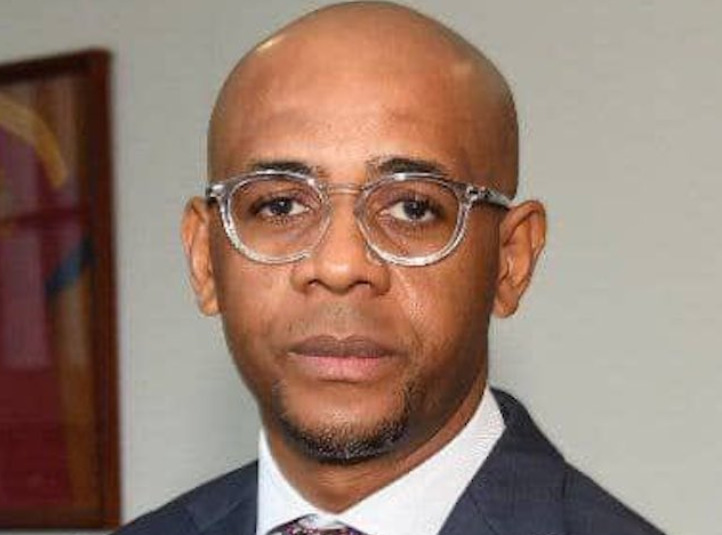
Equatorial Guinea’s government has moved to prosecute Baltasar Engonga, the former head of the National Financial Investigation Agency (ANIF), following a sex tape scandal that has rocked the nation. Authorities allege that Engonga’s conduct has violated the ethical and moral values upheld by Equatorial Guinean society.
Jerónimo Osa Osa, Minister of Information, Press, and Culture, confirmed the legal proceedings over the weekend, stating that the State Attorney General’s Office would lead a thorough investigation into Engonga’s actions. The decision to pursue charges comes after numerous viral videos surfaced online, depicting Engonga engaging in sexual actus with several women, including some who are married.
In an official statement released on Friday, the government denounced the videos, describing them as a breach of “the ethical and moral values of noble Equatorial Guinean society.” As the legal process unfolds, the Public Prosecutor’s Office is focusing on accountability for Engonga and any individuals involved.
ALSO READ: 400 Sex Tapes Scandal: Equatorial Guinea’s Anti-Graft Chief Baltasar Engonga Remanded in Prison
The government voiced concerns that the scandal could disrupt the country’s social and family structure and tarnish its international reputation. The ongoing investigation will explore various aspects, including administrative, civil, and criminal implications, as well as potential public health risks.
Equatorial Guinea’s authorities are also committed to evaluating the privacy rights and consent involved in the situation, stressing the importance of protecting the dignity of the individuals affected and the state. Engonga, a 54-year-old economist, had been arrested as part of a broader probe into financial fraud. A search of his property revealed over 400 sex tapes, some involving high-ranking individuals, including the wives of prominent public figures such as his brother and cousin.
The tapes, allegedly filmed with the women’s consent, were leaked online, sparking widespread outrage. In response, the government has implemented stricter security measures, including installing surveillance cameras in ministries and courts to curb further “indecent and illicit acts.”
Additionally, several officials linked to the scandal have been suspended. Vice-President Teodoro Mangue emphasized that any government worker caught engaging in inappropriate behavior at work will face disciplinary action, reinforcing the importance of adhering to the nation’s code of conduct.