NEWS
Kainji and Jebba Power Plants Face N30bn Loss Due to Grid Failures

Kainji and Jebba power plants have experienced losses amounting to N30.5 billion between 2022 and 2024 due to persistent grid failures in Nigeria. These substantial losses are the result of frequent collapses of the national grid, which have disrupted power generation and distribution, severely affecting both business activities and livelihoods across the country.
The most recent grid collapse, which took place last Thursday, marked the 11th occurrence in 2024 alone, underscoring the severity of the issue. Stakeholders, including consumers and the Transmission Company of Nigeria (TCN), have expressed frustration over the negative impact of these frequent failures on economic activities.
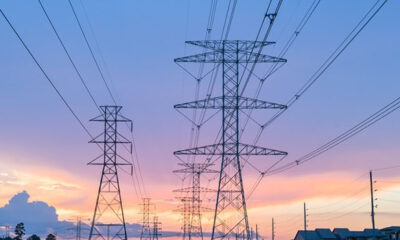
The Federal Government attributes the recurrent collapses to several factors, including the destruction of key electricity infrastructure such as transmission towers and transformers, outdated equipment, and a lack of sufficient investment in maintenance and upgrades. Additionally, there are allegations of sabotage by unidentified groups, contributing to the grid’s instability.
Power generation companies (GenCos) have also voiced concerns about the damaging effect of the grid failures on their operations. According to a document obtained from the sector, Kainji and Jebba plants, two of the highest-generating stations in the country, have accumulated losses totaling N30.55 billion. The losses were driven by system collapses, high frequency, unplanned outages, and system instability.
ALSO READ: KEDCO Denies Defying Power Ministers Orders on Customer Disconnections
An analysis reveals that in 2022, the plants lost 149,524 megawatt-hours, leading to a loss of N2.38 billion. In 2023, this amount more than doubled, reaching N6.3 billion after a loss of 229,370 megawatt-hours. By 2024, the losses surged by an alarming 247.14%, totaling N21.87 billion due to an energy loss of 356,759 megawatt-hours within just 11 months.
The document also highlighted the detrimental impact of grid collapse on the plants’ hydropower infrastructure, including equipment damage, misalignment of shafts, contamination of lubrication oil, and potential harm to turbines. These failures disrupt maintenance schedules, increase operational costs, and diminish the plants’ overall power generation capacity.
Further compounding the problem is the frequent occurrence of system overloads, inadequate protection systems, and aging infrastructure. Human error, environmental factors, and inadequate response protocols during peak demand periods have also been identified as contributing factors to the grid’s instability.
Joy Ogaji, the CEO of the Association of Power Generation Companies, emphasized the critical nature of the situation. She stated that repeated grid collapses pose a major threat to Nigeria’s power sector, causing extensive equipment damage, operational disruptions, and significant financial losses for GenCos.
Ogaji stressed the need for a coordinated effort between the government, regulatory bodies, and power sector stakeholders to address these challenges. She called for better infrastructure management, adherence to maintenance protocols, and efforts to ensure the financial stability of power generation companies, which are essential for the country’s economic growth and energy sustainability.